
Winter here isn’t just cold. It presses down on you. Gray sky. White ground. Sun barely shows up. January in Sweden, the air cuts your lungs the second you step outside.
You bundle up. Wool. Down feathers. Just your eyes showing.Walking through snow last Tuesday, something hit me. The coldest part of being far from home isn’t the wind. It’s not hearing your own language.
Language wraps around your thoughts. When I speak Swedish at the store or English at work, I’m wearing a public coat. Polite. Efficient. People understand me. But I’m not fully me. My heart beats different when Kiswahili hits my ears.
That’s the language of being little. Of my people before me. It holds the warmth I left behind.Finding Kiswahili here? Like spotting a diamond in ice.
First time it happened on a bus. I sat by the window. Frozen trees outside. That heavy chest feeling nothing here can fix. Then from behind me, three rows back, a sound cut through. Not just words. The music of it.
The rise and fall.”Sema kaka, mambo vipi?“Hit me like heat. My head snapped around before I knew I’d moved. Two men talking. They had no clue they just pulled me out of a hole.
The bus didn’t feel so gray after that. Swedish quiet cracked open by home noise. I didn’t know those men. But those words? Made them family. That’s Undugu. Brotherhood living in how we shape our sounds.
I’ve learned something here. You have to work to keep your language alive. Let it sit too long, it gathers dust in your head. You forget the slang. The way a proverb lands just right.
That’s why my little apartment became a Kiswahili spot. Cooking dinner, trying to make kale act like sukuma wiki, I play music from back home. I did call my people not just for news. To wash my ears in the sounds I need.Something else too.
Out here, they judge how you speak their language. Your Swedish has an accent, they figure your brain does too. Talk slower at you. Assume you don’t get complicated things. Makes you feel small. But slide back into Kiswahili? I’m big again.
Words come easy. Funny. Sharp. Daughter of something that stretches across oceans.I think about this Story Hub I want to build. Reach a hundred thousand people in a few years. People ask why Kiswahili. Why not English so more folks get it.
Here’s why. Kiswahili builds bridges that get stronger every day. It’s national language in more places now. Tanzania. Others. Going global. Using it doesn’t shrink us. Plants us in the big conversation.
Says our stories matter in the sounds that made them.Being a polyglot out here gets lonely certain ways. Kiswahili from birth. English from school. Swedish because I need it. German creeping in now.
Like rooms in a house. Some stay locked. Nobody to visit them with you. Meet another African in Europe, we start polite. English? In Sweden we go English or Swedish? Then the look passes between us. Silent question.
Someone drops a Kiswahili word. Walls fall. Posture shifts. We stop being immigrants. Start being people. Talk about the shamba. Politics back home. Laugh deep. That belly shake Swedes find too loud for public.
Taught me something real about fitting in. Some think fitting in means shedding who you were. Becoming just like them. I see it different. Be a bridge. I can appreciate their Lagom. That just enough thing.
Still carry Kiswahili abundance. Follow their road rules. Sing songs from the coast.To my people back home. Don’t sleep on your language. You breathe sounds you love every day. You don’t have to hunt for your mother tongue.
Out here? Every Hujambo prays something. Every Asante remembers.Sun sets at three here. Dark creeps in. I turn my lamp on. Write. Simple English so you can read this. But my head thinks in home rhythm.
Snow falls outside my Sweden window. Inside though? The words I carry make it summer.We’re not just bodies crossing borders.
We’re libraries on the move. Songs walking around. Long as we keep speaking. Keep sharing these letters in languages that hold us. The cold can’t win all the way.
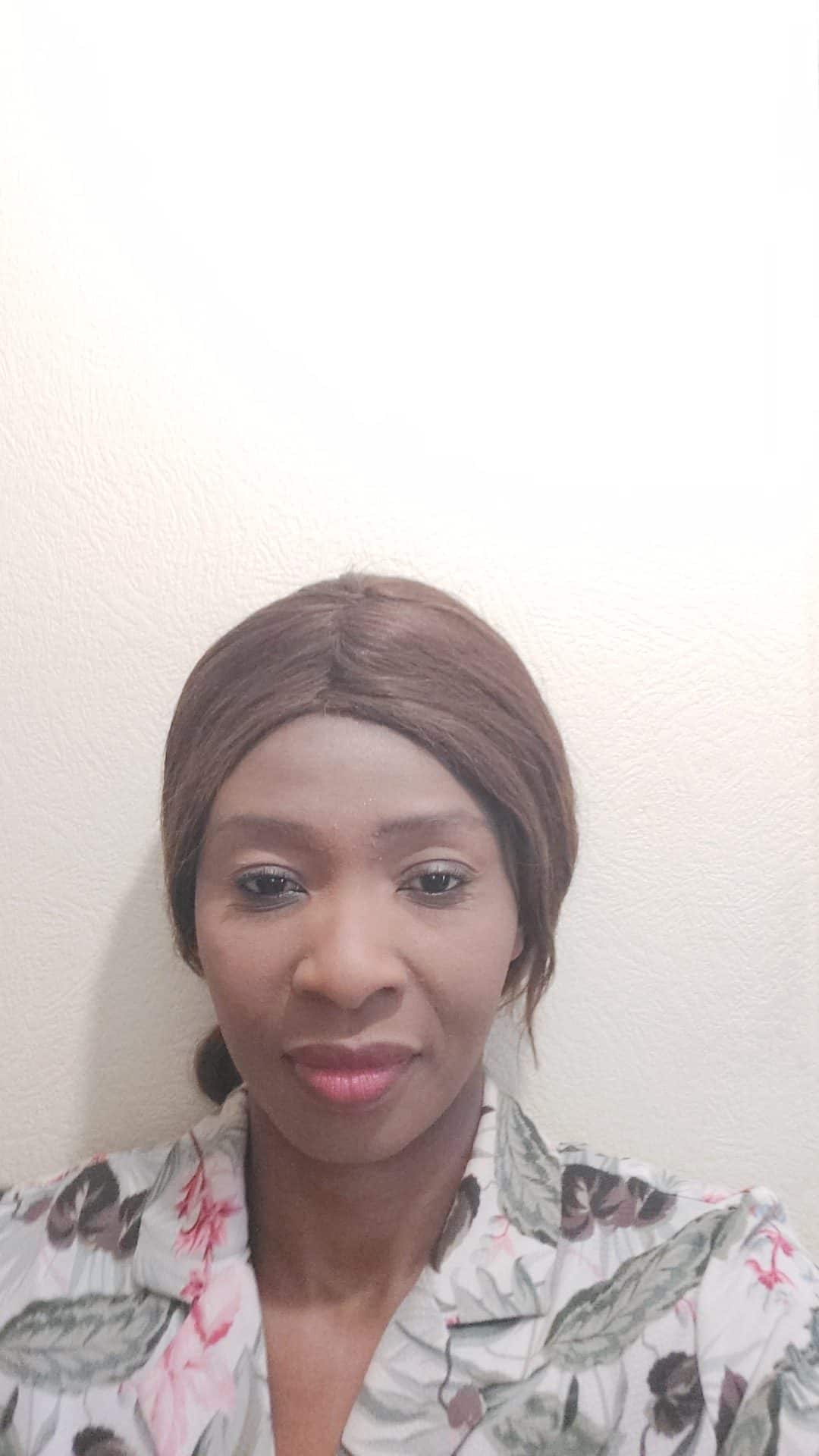
Columnist & Expert
Christine Afandi A.
Christine Afandi A. does a bunch of things. Writes. Tells stories. Connects East Africa and the Nordics. She's been at this a while. Wrote for papers back home. The Guardian in Tanzania. Daily Nation. The EastAfrican. Covered politics, culture, development. How they all tangle together. Had a column in Norway too. Panorama Nyheter. Became a voice people turned to for African-Nordic stuff. She also writes books for kids. In Kiswahili. Ziara kwa Nyanya. Mcheza Karata. Schools use them. Helps kids read. Keeps culture close. Based in Sweden now. Got two degrees from Örebro University. MSc in Informatics. MA in Global Journalism. When she's not walking those quiet northern streets or teaching herself German, she's meditating. Writing poems. Working on a YA thriller series. Set in Scandinavia. She builds bridges with words. Keeps home's rhythm alive for people spread all over. Can be reached at: Email - chriswildflower@proton.me